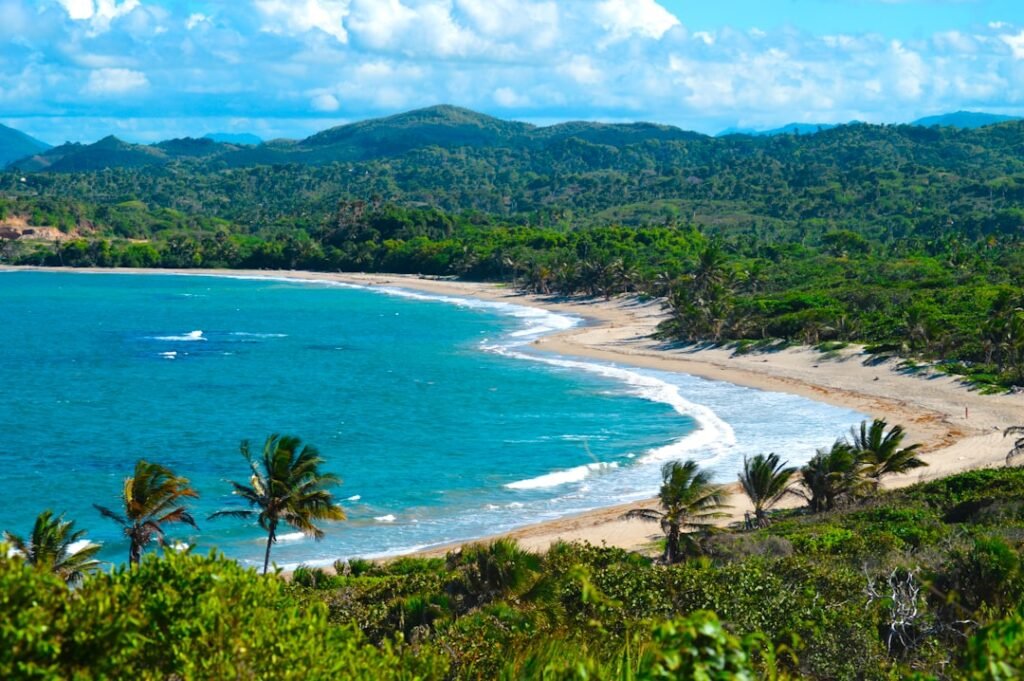
My first evening on the Dominican Republic’s northern coast, I sat on the sand with a dripping wet bottle of Presidente, watching the Atlantic turn a deep, bruised purple. To my right, the dense, green peaks of Mount Isabel de Torres had their heads completely wrapped in thick evening clouds. It smelled like salt, coconut sunblock, and just a hint of dark Dominican rum.
This is Puerto Plata.
Famously nicknamed the "Amber Coast" because of its massive underground deposits of prehistoric tree sap, this region has a little bit of everything. You can jump off canyon waterfalls in the morning, walk down 500-year-old cobblestone streets in the afternoon, and end your night with your toes in the sand.
If you are planning your own escape and trying to map out the very best things to do in puerto plata, you've landed in the right spot. Here is my personal, battle-tested playbook for making the most of this Caribbean classic.
—
1. Conquer the 27 Waterfalls of Damajagua (27 Charcos)
If you only have time for one major day trip, make it this one. Tucked away in the humid hills of the Northern Corridor, you'll find 27 Charcos de Damajagua—which is basically Mother Nature's own water park.
Forget about manicured resort pools. This is a sweaty, heart-pumping hike through a dense canopy of tropical forest that ends at a series of massive limestone canyons. The only way back down? You have to slide down natural rock waterslides polished smooth by centuries of rushing water, and jump off rock ledges straight into deep, icy-blue pools. I remember staring down at one of the twelve-foot drops, my heart in my throat, before a local guide grinned and gently nudged me in. It was terrifying and easily the highlight of my trip. If you've ever hiked the dramatic gorges of the Hocking Hills hiking trails, you'll love the sheer scale of the rock formations here, though the tropical water makes it a totally different beast.
Most tour companies let you choose between doing 7, 12, or the full 27 waterfalls. Honestly, go for the 12-waterfall package. It gives you the perfect mix of hiking and sliding without leaving you completely exhausted.
- Why it’s worth doing: It is a raw, wild rush of adrenaline that you won't find at any swim-up bar. The local guides have endless energy and make sure everyone stays safe while having a blast.
- Insider Tip: Wear sturdy, closed-toe water shoes with good grip. The rocks are slick as ice. You can rent a pair at the entrance for cheap if you didn't pack any. Also, leave your phone behind unless you have a serious, heavy-duty waterproof case that securely straps to your chest.
—
2. Ride the Teleférico to the Top of Mount Isabel de Torres
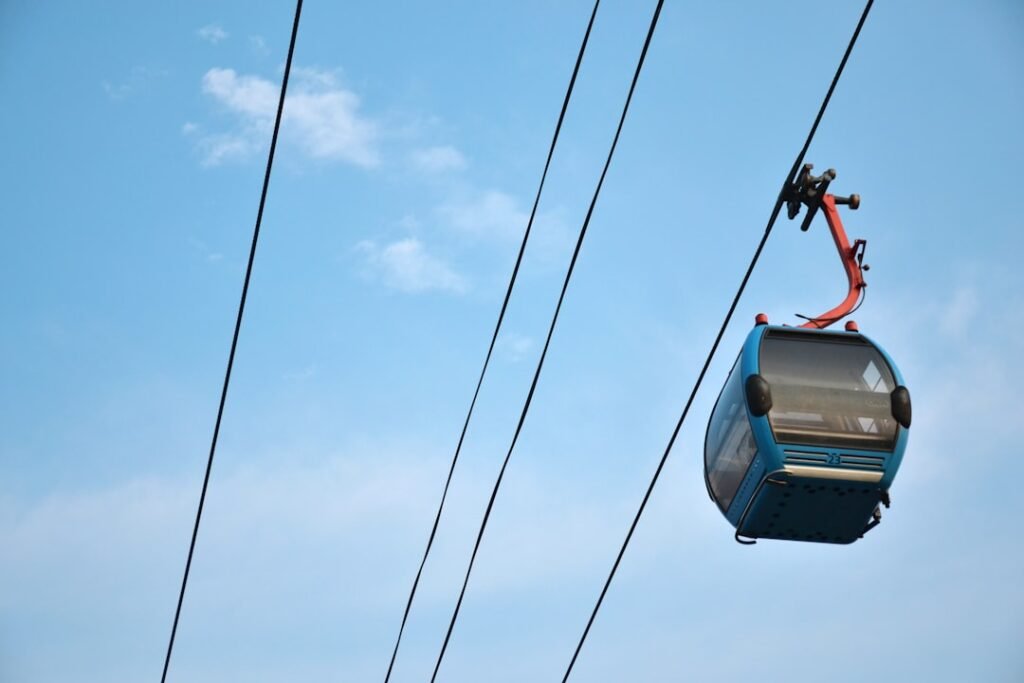
You can't really grasp the sheer beauty of the Amber Coast until you see it from the clouds. The absolute easiest way to get that bird's-eye view is to hop on the Teleférico (Cable Car) de Puerto Plata—which happens to be the only cable car running in the Caribbean.
As the cabin glides upward into the mountain mist, the noisy city below shrinks into tiny blocks, replaced by a thick, green blanket of jungle canopy. At the very top of Mount Isabel de Torres, sitting 2,600 feet above sea level, you'll find a massive Christ the Redeemer statue looking out over the ocean, much like the famous one in Brazil.
Take an hour to wander around the mountaintop botanical gardens. Up here, the air feels cool, crisp, and smells like damp earth and wild orchids.
- Why it’s worth doing: The views of the sweeping coastline are gorgeous. It's easily the best photo spot in town.
- Insider Tip: Get there early! Around midday, heavy clouds and thick fog almost always roll in and swallow the peak, which ruins the view. Try to be at the ticket office by 8:30 AM to beat the fog and avoid the massive crowds of cruise ship passengers.
—
3. Wander the Historic Centro Histórico and Umbrella Street
Puerto Plata has some serious history. Founded back in the late 15th century, its historic core is a charming maze of pastel-colored, Victorian-era houses that feel like a snapshot from another century.
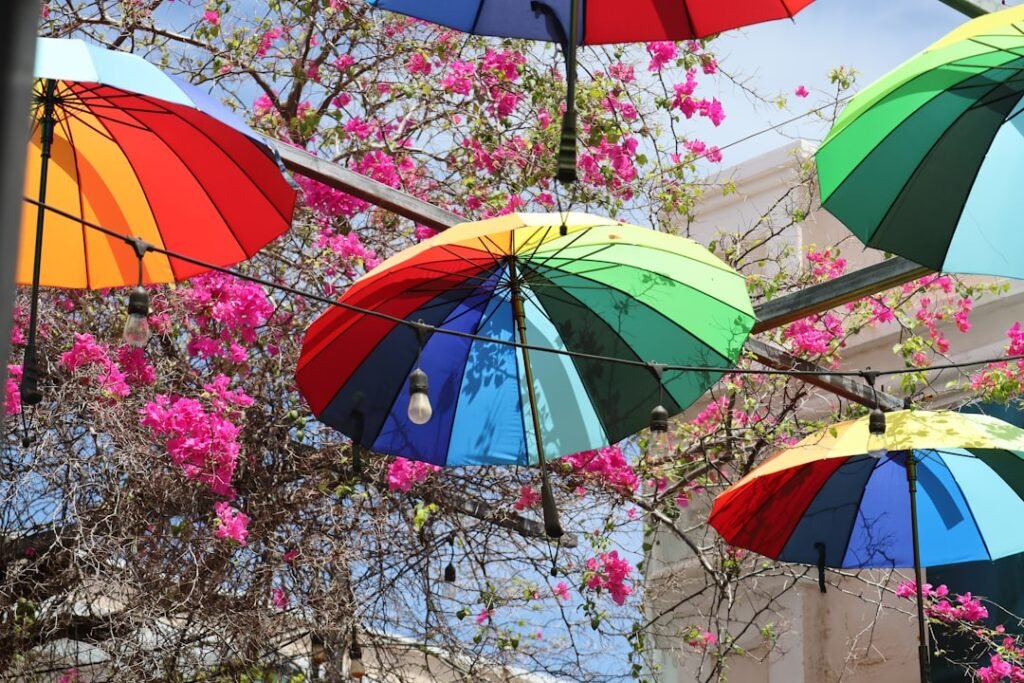
Start your walk at Plaza Independencia (Central Park), where locals gather under the shadow of the St. Philip the Apostle Cathedral. From there, head over to Calle de las Sombrillas (Umbrella Street). This pedestrian lane is covered by a floating canopy of hundreds of bright umbrellas, casting colorful shadows on the cobblestones below. It's a bit touristy, sure, but it looks incredibly cool.
A couple of blocks away, you'll find Paseo de Doña Blanca, an alleyway painted completely in a striking, vibrant pink to honor the founder of one of the city's historic hotels.
- Why it’s worth doing: It gives you a real taste of local life. You'll see older men arguing over fast-paced domino games on the sidewalk and vendors selling fresh coconuts. It's much more authentic than staying on a resort, similar to how exploring the local streets compares to staying in an all-inclusive when checking out Playa del Carmen beaches.
- Insider Tip: Skip the tourist traps and grab a table at El Rincón del Café near the main square. Order a *Café Santo Domingo* with a splash of sweet condensed milk—it's the local way to drink espresso.
—
4. Step Back in Time at Fortaleza San Felipe
Sitting on a grassy point right at the edge of the harbor, Fortaleza San Felipe is a rugged stone fortress that served as a defense against real-life pirates back in the day.
The Spanish built it in the 16th century to keep English and French privateers from raiding the city. Over the years, it's been a military base, a high-security prison, and now, a cool little museum. Walking through the dark stone rooms, looking through the narrow arrow slits, and touching the old iron cannons makes history feel very real.
The wide grassy lawn around the fort, which sits right on the oceanfront Malecón boardwalk, is where locals hang out to fly kites, walk their dogs, and enjoy the sea breeze.
- Why it’s worth doing: It's a cheap, easy history lesson with some of the best views of the ocean in the whole city.
- Insider Tip: Go around sunset. The view from the old stone walls is spectacular. The sky turns deep shades of orange and pink as the waves crash against the base of the fort.
—
5. Embark on a Day Trip to Cayo Arena (Paradise Island)
If your idea of paradise is a tiny patch of white sand in the middle of a glowing turquoise ocean, you need to book a trip to Cayo Arena.
Located roughly two hours west of town, near the tiny fishing village of Punta Rucia, Cayo Arena is a natural sandbar surrounded by a shallow coral reef. You'll ride in a fast speedboat that bounces over the waves before dropping you off on this tiny island. The water is so clear that you can see schools of bright yellow and blue fish swimming around your knees before you even put on a snorkel. It's a completely different kind of water experience than, say, the rushing river canyons of Twin Falls canyon adventures, but the sheer scale of the open water is just as humbling.
Most day trips also take you on a fast ride through the thick mangrove tunnels of Monte Cristi National Park on the way back.
- Why it’s worth doing: It's easily one of the premier snorkeling spots in the country, with incredibly clear water and active marine life.
- Insider Tip: Book a tour that leaves early. The sandbar is tiny, and by noon, it can get crowded with boatloads of tourists. Stepping onto the empty sand in the morning light is a completely different, much more peaceful experience.
—
6. Play and Relax at Monkey Jungle and Zip Line Adventures
If you want a mix of high-flying thrills and some of the most charming animal encounters imaginable, take a drive up into the hills to the Monkey Jungle.
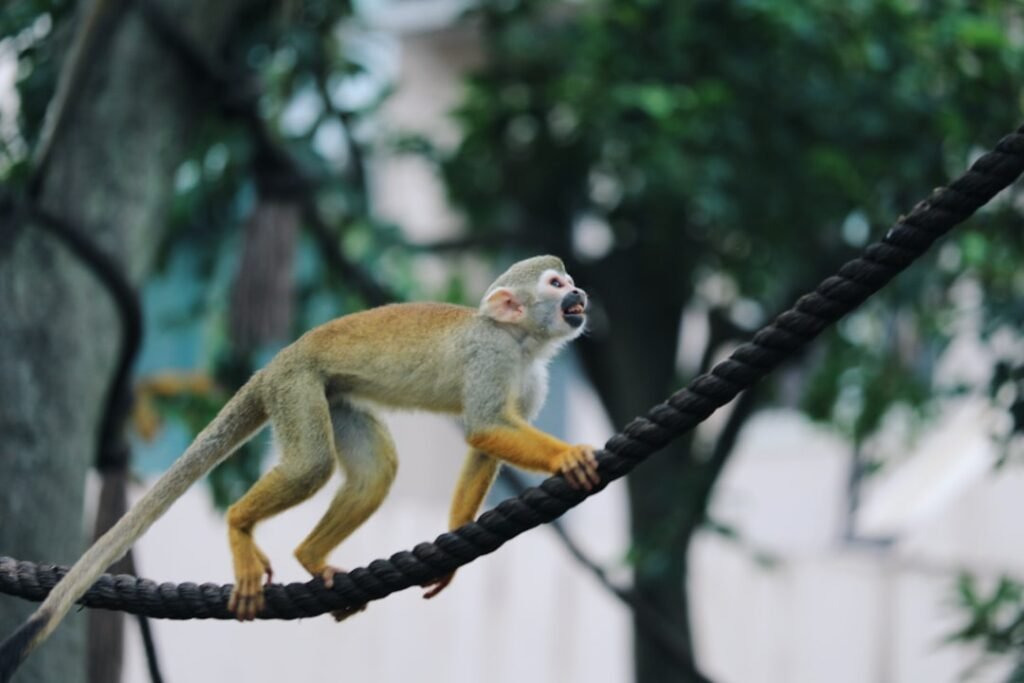
This eco-park sits on a working farm and features a fast, seven-station zip line that sends you flying over a gorgeous green valley. But the real draw for most people is the Squirrel Monkey Sanctuary. You'll step into a large, open enclosure where dozens of tiny, incredibly soft squirrel monkeys will jump onto your shoulders, climb up your arms, and sit on your head to eat fruit right out of your hands!
- Why it’s worth doing: It's a blast for all ages, and the zip line offers some fantastic views of the countryside. Plus, your ticket purchase helps fund a free on-site medical and dental clinic for the local community.
- Insider Tip: Lock up your sunglasses, earrings, and hair ties before you go in. These little guys are incredibly curious and have lightning-fast hands—they will absolutely rob you if you're not careful!
—
7. Sip the Dominican Spirit at Macorix House of Rum
You can't really say you've experienced the Dominican Republic without trying its most famous export: rum. To see how it's made, head over to the Macorix House of Rum (Casa de Ron Macorix) right in the middle of town.
This cool, air-conditioned visitor center walks you through the history of sugar cane production on the island. You'll see how they ferment and age the spirit in old oak barrels to give it that smooth, rich flavor. The best part is the tasting room at the end, where you can try everything from dark, oak-aged rums to sweet, infused versions like coconut, pineapple, and spiced rum.
- Why it’s worth doing: It's a fun, quick stop, and tickets are very cheap (usually only a few dollars).
- Insider Tip: Pick up a bottle of Macorix Rebel on your way out. It's a sweet, spiced rum blended with pineapple and honey that makes a great gift to take back home.
—
Where to Eat: Savoring Puerto Plata’s Culinary Scene
Dominican food is pure comfort food—a delicious mix of Spanish, African, and indigenous Taíno flavors. It is rich, hearty, and relies heavily on fresh seafood, plantains, and slow-braised meats. Here are three spots that are worth every single calorie:
El Bergantín
Set inside a beautiful, century-old Victorian home right off Central Park, El Bergantín is the spot to go for a nice dinner out. The vibe is classy but laid-back, with local art covering the walls.
- What to order: Go for the Chivo Liniero (a rich goat stew slow-cooked with wild oregano, garlic, and rum). It's incredibly tender and flavorful. Make sure to get a side of crispy *tostones* (double-fried plantains) to scoop up the sauce.
Pescado Frito in Maimón
For a real, unpretentious local experience, take a fifteen-minute cab ride west to the little fishing village of Maimón. The roadside here is lined with open-air fish shacks where locals go to eat.
- What to order: Walk up to the counter, point to the fresh catch of the day (usually red snapper), and ask for Pescado Frito (whole fried fish). They season it with lime and garlic, fry it until the skin is perfectly crispy, and serve it with thick slices of avocado and fried sweet potato. Eat it with your fingers while sitting by the water.
Le Papillon
Tucked away in a quiet neighborhood in Cofresi, a warm German chef runs Le Papillon, serving up some of the best food in Puerto Plata for decades. The tropical, open-air garden setting is lovely.
- What to order: The menu changes based on what's fresh, but if they have the "Ocean and Earth", order it. It’s a perfectly seared steak topped with a fresh lobster tail in a rich, garlicky butter sauce.
—
Practical Travel Tips for Your Puerto Plata Adventure
Before you pack your bags, here are some quick answers to the most common questions about getting around and planning your trip to the Amber Coast.
What is the best time of year to visit Puerto Plata?
The sweet spot is the dry season, which runs from December to April. You'll get plenty of sun, warm weather in the mid-80s, and very little rain. If you want to avoid the peak crowds and save some money, May and June are great shoulder months—the weather is still beautiful, but resort prices drop. Try to avoid October and November, as they get the heaviest rain of the year.
How do I get around the city?
You have a few solid options depending on your comfort level:
- Taxis: You'll find them waiting outside major resorts and hotels. They don't use meters, so always agree on a price with the driver before you get in.
- Uber: Yes, Uber works great in Puerto Plata! It's very cheap, convenient, and saves you from having to negotiate fares in broken Spanish.
- Motoconchos: These are motorcycle taxis found on almost every corner. They are cheap and fast for short trips, but they can be a bit wild. If you hop on, hold on tight!
- Car Rental: Renting a car is perfect if you want to explore further down the coast to places like Cabarete. Just be prepared for some chaotic driving conditions!
—
Pack Your Bags and Feel the Rhythm!
Whether you are sliding down limestone waterfalls, looking out over the coast from a mountain peak, or eating fresh fish on a beach, Puerto Plata has a raw, laid-back charm that is hard to resist. It's a place where natural beauty and deep history come together perfectly.
Grab your sunscreen, pack your bags, and get ready to experience the Amber Coast for yourself!
*Are you planning a trip soon, or have you already been? What's the first thing you want to do when you land? Let me know in the comments below!*