
Stepping off the plane in Cusco hits you all at once. The air is ridiculously thin, smelling of woodsmoke and wild eucalyptus. Suddenly, you're surrounded by bright fuchsia textiles, massive Inca stone walls, and a sky so blue it almost looks fake.
This is Cusco—the old heart of the Inca Empire.
It sits at a dizzying 3,400 meters (11,152 feet) above sea level. Here, Spanish colonial churches sit directly on top of perfectly carved Inca foundations. You'll see locals chatting in Quechua right next to backpackers arguing over map directions. It's a trip.
Whether you're gearing up for the classic trek to Machu Picchu or just want to eat well and wander the alleys, you'll probably fall in love with this place. I know I did. To help you sort out your plans, I've put together this honest guide to the absolute best things to do in Cusco Peru. Grab a hot mug of coca tea (you'll need it for the headache) and let's get into it.
—
1. Step Back in Time at the Plaza de Armas and San Blas
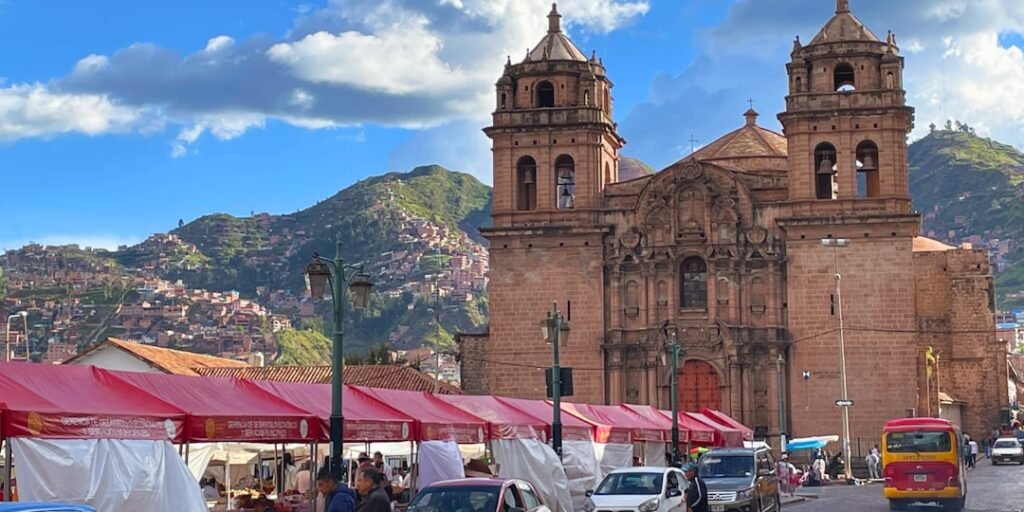
Start your trip with a simple walk. Head straight to the Plaza de Armas, the massive main square. It's basically the city's living room. Grand colonial arches and two giant historic churches—the Cusco Cathedral and the Church of the Society of Jesus—border the plaza. Grab a bench, watch the street performers, and look up at the green peaks rising behind the red-tiled roofs.
Once you've had enough of the plaza, start climbing toward San Blas, the artsy, bohemian neighborhood. It feels like a quiet, white-walled village tucked inside the city. The incredibly narrow, cobblestone streets are packed with indie galleries, vegetarian cafes, and bright blue doors—it has a laidback, artsy energy that reminds me a bit of the beachside hangouts you'll find when exploring cool things to do in Playa del Carmen, just with a chilly mountain breeze instead.
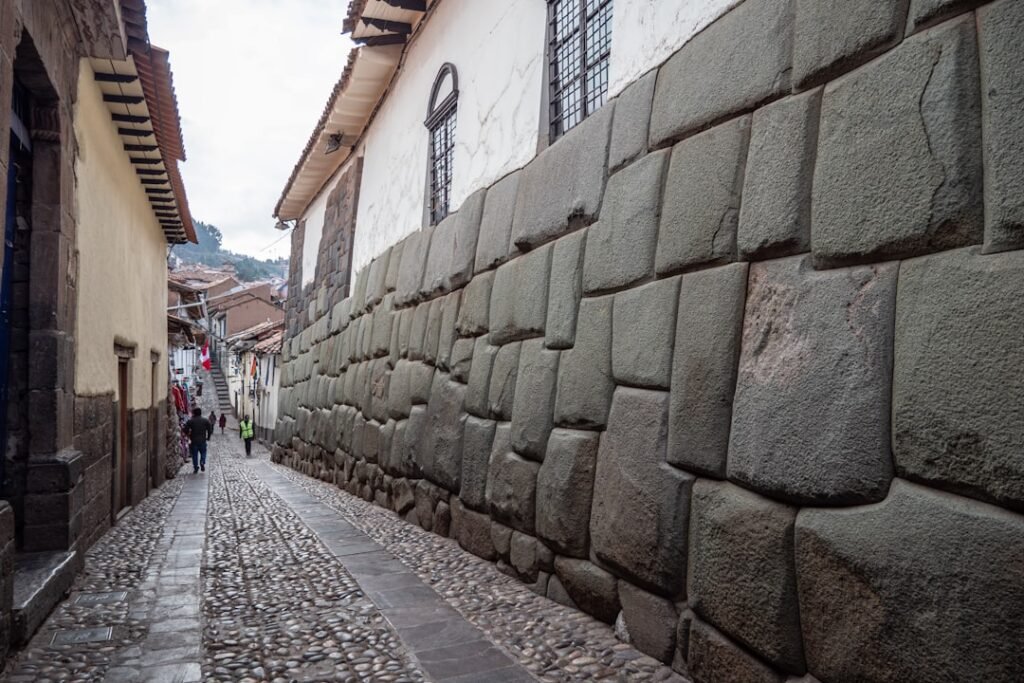
On your way up, look for the Twelve-Angled Stone on Calle Hatun Rumiyoc. It's an incredible piece of ancient masonry. The blocks fit together so snugly that you can't even slide a credit card between them. I remember staring at it for ten minutes, wondering how on earth they managed it without iron tools.
- Why it’s worth doing: It’s a great, easy introduction to Cusco’s mix of Inca and Spanish building styles. Plus, it lets you get used to the thin air without wearing yourself out.
- Practical Tip: San Blas is seriously steep. Walk slowly, stop to pretend you're taking photos when you're actually just gasping for air, and pop into L'atelier Café Art for a coffee with a view of the street.
—
2. Marvel at the Colossal Stones of Sacsayhuamán
Up on the hill overlooking the city sits Sacsayhuamán (go ahead and pronounce it "sexy woman," everyone does). This massive Inca complex is easily one of the most baffling engineering feats on the planet.
The sheer scale of this place is wild. The fortress walls twist in a zigzag pattern, which supposedly represents the teeth of a sacred puma (the Incas originally laid out Cusco in the shape of a puma). Some of these limestone blocks weigh over 120 tons. How did they move, carve, and stack them so perfectly without wheels or draft animals? No one really knows. It's a genuine mystery.
- Why it’s worth doing: The massive size of the stones will make you feel tiny, and you get the absolute best view of Cusco stretching out across the valley below.
- Practical Tip: You'll need the Boleto Turístico (Cusco Tourist Ticket) to get in, which also covers several other ruins. You can take a 10-minute taxi from the main plaza for about 10-15 Soles, or hike up the steep path from San Blas if your lungs are feeling brave.
—
3. Get Lost in the Sights and Smells of San Pedro Market
For a taste of real life, walk over to the chaotic San Pedro Market (Mercado Central de San Pedro). Fun fact: Gustave Eiffel (yes, the Eiffel Tower guy) designed the roof structure in the early 20th century.
Walking inside is a wild trip for the senses. You'll squeeze past massive piles of exotic fruits, stalls holding some of Peru's 4,000 varieties of potatoes, and rows of alpaca sweaters. Keep walking toward the back. You'll pass the shaman stalls selling dried llama fetuses, wild herbs, and mystery tonics, eventually hitting the food court where locals crowd around tables for cheap, hot lunches. It's loud, colorful, and a little overwhelming. If you love diving into local culture—similar to exploring the street vendors and fun things to do in Puerto Plata—San Pedro is an absolute must-see.
- Why it’s worth doing: It's an unfiltered look at daily life in the Andes, and it's the cheapest place in town to buy souvenirs or grab a quick bite.
- Practical Tip: Watch your pockets here, as crowds make it easy for pickpockets. If you want a quick pick-me-up, find the juice section (*sección jugos*) and order a fresh *jugo de chirimoya* (custard apple) or *maracuyá* (passion fruit) for a few Soles.
—
4. Uncover the Sacred Secrets of Qorikancha (The Temple of the Sun)
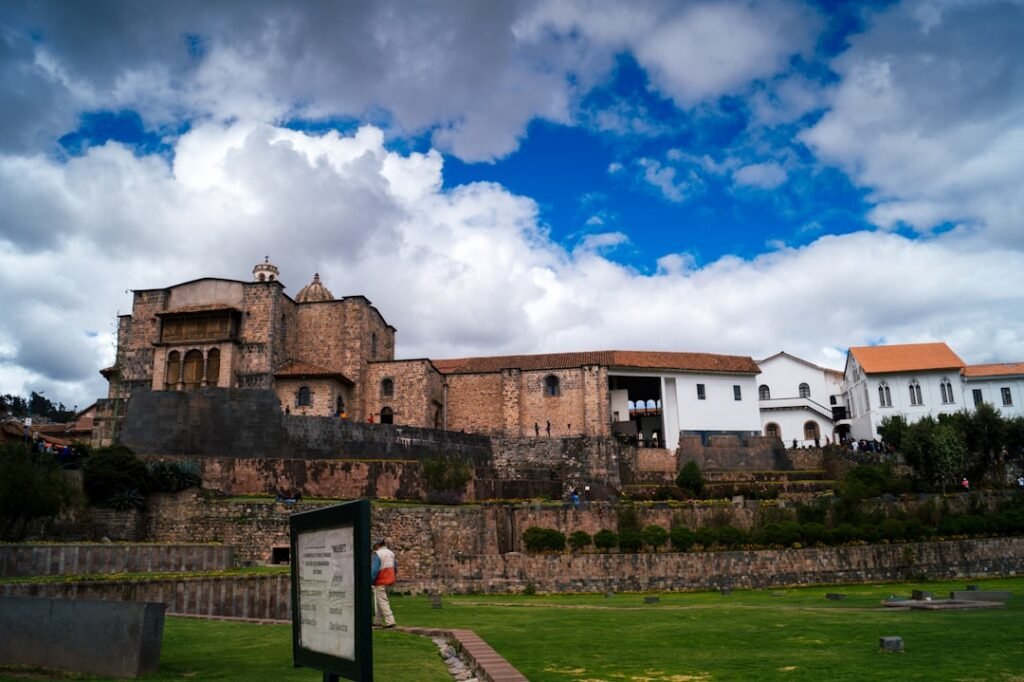
Back when the Inca Empire was thriving, Qorikancha was the absolute center of their spiritual world, built to honor Inti, the Sun God. Old Spanish accounts claim the walls were literally plated in sheets of solid gold, with life-sized golden statues of llamas and corn stalks planted in the courtyards.
Then the conquistadors showed up, stripped the gold, and built the colonial Convent of Santo Domingo right on top of the temple. Today, you can see this strange architectural sandwich for yourself. What's amazing is that the pristine, dark-grey Inca stonework easily survived multiple massive earthquakes that completely ruined the Spanish brickwork. It tells you everything you need to know about Inca building skills.
- Why it’s worth doing: It's the most dramatic visual of the clash between Spanish and Inca history in Peru.
- Practical Tip: Hire one of the licensed, English-speaking guides waiting near the entrance. They charge about 30 to 40 Soles ($10 USD) for a private tour, and having someone explain the history makes the empty stone chambers so much more interesting.
—
5. Take an Unforgettable Day Trip to the Sacred Valley
While there are plenty of incredible things to do in Cusco Peru proper, you absolutely must venture out into the nearby Sacred Valley of the Incas. Carved out by the Urubamba River, this fertile valley is dotted with dramatic mountain peaks, traditional villages, and some of the country's most spectacular archaeological ruins.
A classic day trip through the Sacred Valley typically includes:
- Pisac: Known for crazy steep farming terraces carved into the mountainsides and a massive artisan market that fills the town square.
- Ollantaytambo: A "living" Inca town where locals still use the original stone water channels and streets under a massive cliffside fortress.
- Maras and Moray: Maras is a stunning canyon filled with thousands of ancient, pale-pink salt evaporation pans. Moray, just down the road, features circular terraced depressions that look like a massive alien landing pad but actually served as an Inca crop lab.
- Why it’s worth doing: The scenery is spectacular, the altitude is slightly lower than Cusco (which helps you catch your breath), and it shows you just how brilliant the Incas were at farming.
- Practical Tip: Skip the crowded group buses if you can. Instead, get a couple of travel buddies and hire a private taxi driver for the day. It lets you explore on your own schedule and beat the big tour groups to the best photo spots.
—
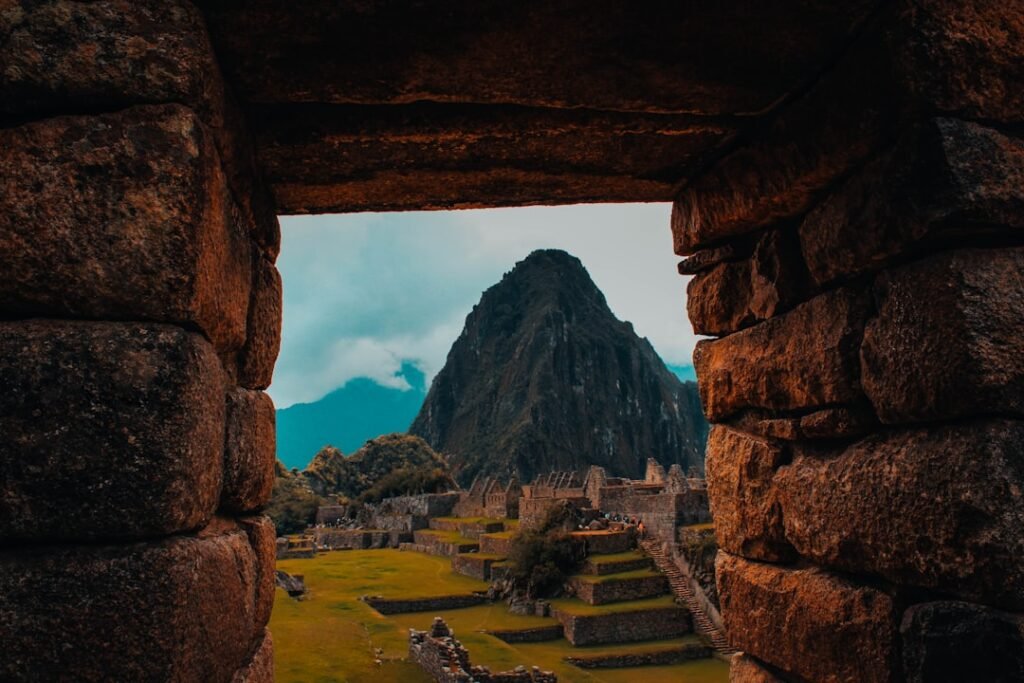
6. Embark on the Ultimate Pilgrimage to Machu Picchu
Let's be real: Machu Picchu is the main reason most people book a flight to Peru in the first place. Tucked away in the misty cloud forests where the Andes drop down toward the Amazon, this legendary city is worth every bit of the hype.
To get there from Cusco, you've got options. If you want a physical challenge, you can hike the multi-day Inca Trail (make sure to book this up to 6 months ahead) or the rugged Salkantay Trek. If you're not up for days of hiking, you can take a highly scenic train (with PeruRail or Inca Rail) from Cusco or Ollantaytambo to Aguas Calientes, then catch a quick shuttle bus up to the ruins. If you love dramatic mountain scenery—like the deep canyons you might see while looking for things to do in Twin Falls Idaho—the towering, jungle-covered peaks surrounding Machu Picchu will completely blow your mind.
- Why it’s worth doing: It is one of the New Seven Wonders of the World, and seeing the morning mist lift off the ruins is a moment you'll never forget.
- Practical Tip: The government limits daily entries to protect the ruins, so you need to book your tickets and trains months in advance. Also, bring your actual, physical passport—they check it at the gate, and you can get a cool Machu Picchu stamp on your way out!
—
7. Hike to the Surreal, Multi-Colored Rainbow Mountain
If you're up for a serious trek and want to see one of the weirdest landscapes on earth, book a trip to Rainbow Mountain (Vinicunca). Striped with turquoise, lavender, yellow, and deep red, the mountain looks like an oil painting. The crazy colors come from mineral sediments reacting to weather over millions of years.
But let's be totally honest: this hike is tough. The trailhead starts at a brutal 4,600 meters (15,090 feet) and climbs to over 5,036 meters (16,522 feet) at the top lookout. The walk itself is only about an hour and a half each way, but the thin air makes every step feel like you're walking through wet cement.
- Why it’s worth doing: The wild Andean scenery, complete with herds of alpacas and massive glaciers in the background, is absolutely incredible.
- Practical Tip: Do not do this on your first or second day in Cusco! You need to acclimate first, or you will end up miserable with altitude sickness. Pack a warm hat and gloves, because even if it's sunny, the wind at the top is freezing.
—
Where to Eat in Cusco: A Culinary Adventure
Peru is famous worldwide for its food, and Cusco's dining scene is incredibly good. You can find everything from rustic mountain comfort food to upscale, creative dining. Here are a few spots I personally love and what you should order.
Morena Peruvian Kitchen
Right by the Plaza de Armas, this bright, modern place serves up some of the best contemporary Peruvian food in Cusco. The presentation is beautiful, and the staff are incredibly welcoming.
- What to order: Go for the classic Lomo Saltado (a high-heat stir-fry of beef tenderloin, red onions, tomatoes, and yellow peppers served over thick fries and rice) or their fresh trout Ceviche.
Pachapapa
For rustic, traditional Andean food in a cozy setting, head to Pachapapa in San Blas. You'll sit in a beautiful, open-air courtyard warmed by fire pits and a massive wood-fired clay oven.
- What to order: This is a great spot to try Alpaca Tenderloin, which is incredibly lean and flavorful. If you're feeling brave, they are famous for their roasted Cuy (guinea pig), seasoned with local herbs and slow-roasted in the oven (just make sure to order this 24 hours in advance!).
Cicciolina
Hidden on the second floor of an old colonial building, Cicciolina is a warm, romantic tapas bar blending Mediterranean and Andean flavors. It's easily one of the best meals in town.
- What to order: Grab a seat at the bar and order a few plates to share, like the squid ink pasta, seared duck, or local trout carpaccio. Don't leave without ordering a Pisco Sour, Peru's classic national drink.
—
Practical Cusco Travel Tips: Your Questions Answered
When is the best time of year to visit Cusco?
Cusco basically has two seasons: dry and wet.
- The Dry Season (May to October) is the prime time to go. You get bright, sunny days and clear blue skies—ideal for hiking—though the nights get freezing cold. June is particularly wild and fun because of the *Inti Raymi* (Sun Festival) celebrations.
- The Wet Season (November to April) brings plenty of rain, but the hills turn incredibly green, the crowds thin out, and hotel prices drop significantly.
How do I handle the altitude sickness (soroche)?
The altitude here is no joke, and it will hit you. To make sure you don't spend your first few days glued to the bathroom floor, keep these tips in mind:
- Take it easy: Give yourself 24 to 48 hours to rest, drink water, and avoid running up any steep stairs.
- Hydrate: Drink tons of water. Try the local fix, coca tea (*mate de coca*), which genuinely helps soothe mild altitude headaches.
- Eat light: Your stomach works slower at high altitudes, so skip the heavy meals and cocktails on your first couple of nights.
- Meds: Talk to your doctor before leaving about Acetazolamide (Diamox), or just walk into any local pharmacy in Cusco and ask for *Sorojchi Pills*.
How do I get around the city?
The historic center is compact and very easy to explore on foot. You can walk to almost all the main spots, shops, and restaurants.
- Taxis: If you're heading further out (like up to Sacsayhuamán), taxis are cheap and everywhere. Just make sure to agree on the price *before* you get in, because they don't have meters. A ride around the center should cost you about 7 to 10 Soles ($2 to $3 USD).
- Colectivos: These are shared local minivans that run routes to nearby towns in the Sacred Valley. They cost next to nothing and are a fun way to travel like a local.
—
Ready to Fall in Love with Cusco?
Between the incredible history, the jaw-dropping Andean views, and the incredible food, Cusco is one of those places that sticks with you long after you fly home. Every single narrow alleyway seems to hide an ancient wall, and every mountain view is worth a pause.
So pack your hiking boots, grab your camera, and get ready for an unforgettable trip up in the Andes.
Have you been to Cusco, Peru? Or are you currently planning your dream trip? Let me know your favorite spots, questions, or bucket-list activities in the comments below!