
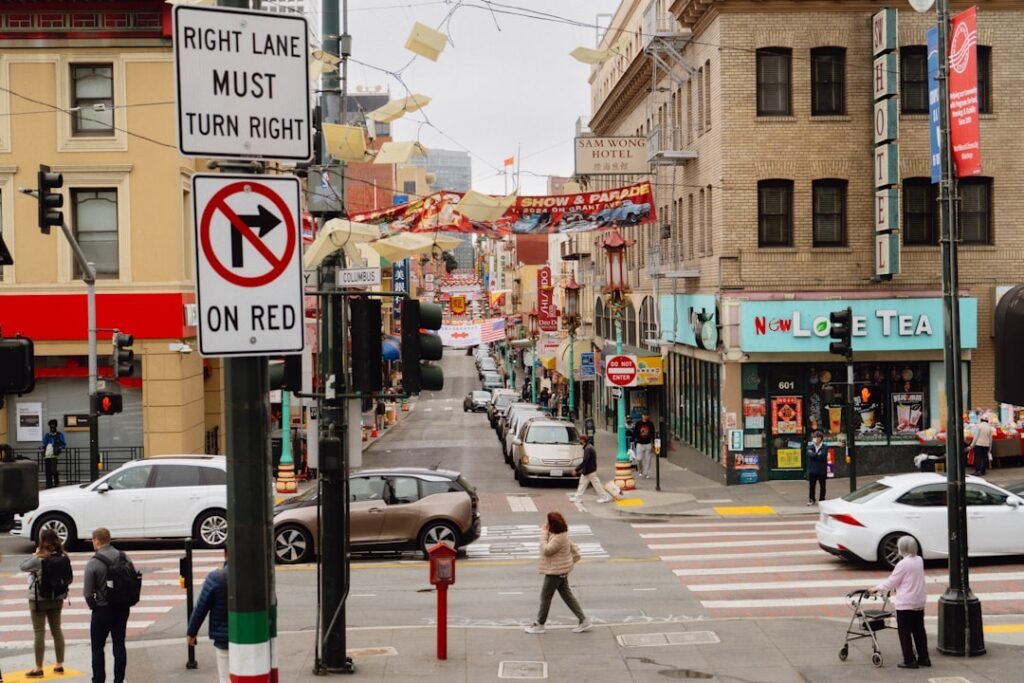
Walk just one block past the sleek, glass towers of San Francisco's Financial District, and you run straight into a wall of bright red lanterns and sizzling ginger. One minute you're surrounded by tech workers in blue button-downs, and the next, you're listening to the sharp, rhythmic clack of mahjong tiles and the melodic rise and fall of Cantonese.
This neighborhood got its start back in 1848. Today, it stands as the oldest Chinatown in North America, and it's actually the largest Chinese community you'll find outside of Asia. It survived fires, earthquakes, and decades of hostile city politics. Honestly, I still remember my first trip here—I got completely lost in a side alley while trying to sniff out a legendary bakery, and that chaotic afternoon remains one of my favorite travel memories. If you want a mix of history, incredible street food, and gorgeous architecture, the sheer variety of things to do in chinatown will keep you captivated for hours.
Tie your sneakers tight, skip breakfast, and let's get into the good stuff.
—
Pass Through the Iconic Dragon’s Gate
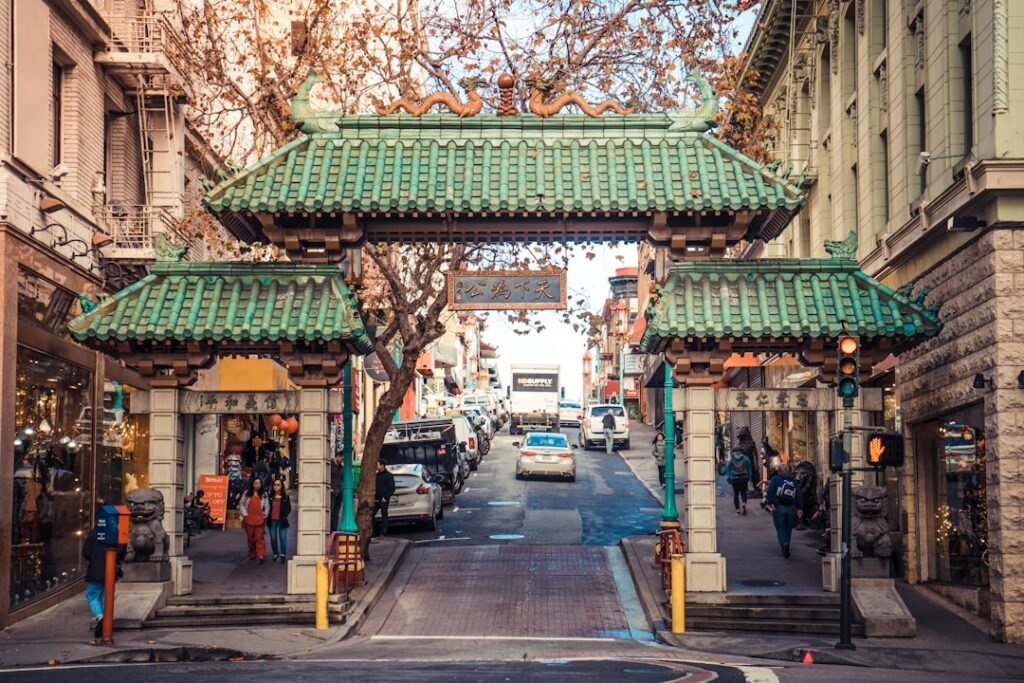
Start your walk right where the neighborhood officially begins: the Dragon’s Gate at Bush Street and Grant Avenue. While other cities build their Chinatown gates out of wood or cheap plaster, San Francisco went all out with solid, heavy stone. It looks like a proper, traditional gateway straight out of China.
Taiwan gifted this structure to the city back in 1969. Take a look at the details. You've got brilliant green-tiled roofs, massive stone pillars, and two heavy guardian lions standing watch to keep out bad vibes. When you walk under the arch, look up at the plaque. The Chinese characters read: "All under heaven is for the good of the people." It's a pretty great message to keep in mind as you start exploring.
- Practical Tip: This spot is a total tourist magnet. If you want a photo without thirty other people in your shot, get here before 9:00 AM.
—
See Fortune Cookies Being Made at the Golden Gate Fortune Cookie Factory
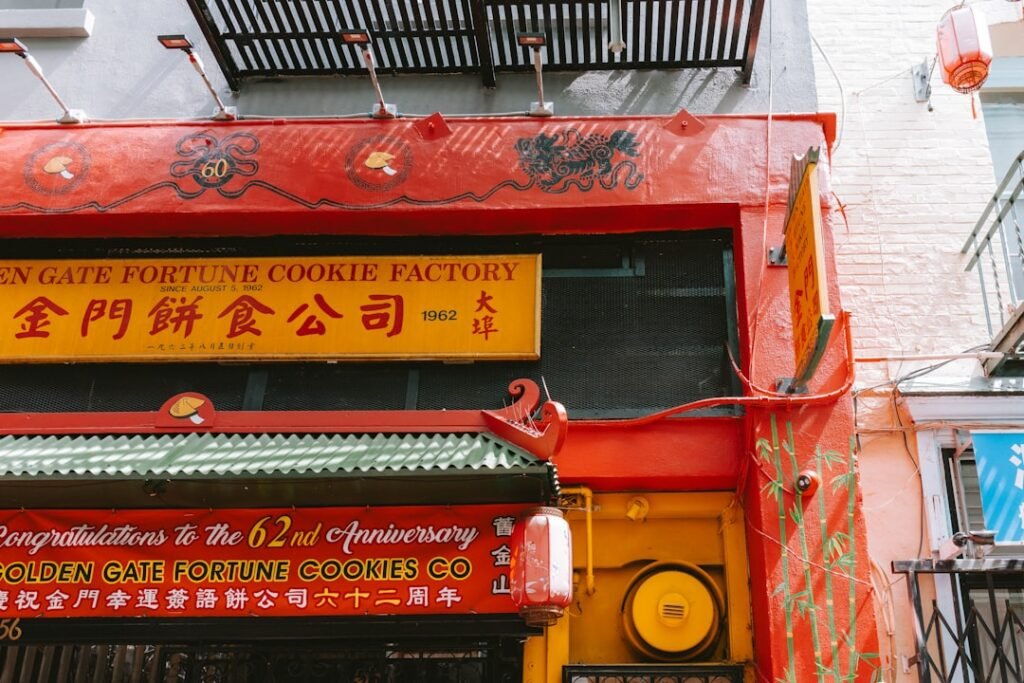
Head down Ross Alley and let your nose do the work. The sweet, warm scent of vanilla and toasted sugar hits you long before you reach the door of the Golden Gate Fortune Cookie Factory.
They've been hand-baking cookies here since 1962 using a couple of ancient-looking, rotating metal griddles. Step inside and you'll see the bakers pull the piping hot, flat circles of dough right off the iron. They tuck a tiny paper fortune inside and fold the cookie into its classic crescent shape in about two seconds flat. If you love uncovering these tiny, hyper-local spots with massive histories, it has that same quirky, old-school charm you find when looking for things to do in Talkeetna up in Alaska. You can grab bags of classic, chocolate, or strawberry cookies, or even pay a few bucks to write a custom note and have them bake it inside a giant-sized cookie.
- Practical Tip: Walking in is free, but they ask for a dollar or two if you want to take photos of the bakers. Pay it gladly—it supports a historic, family-run business that keeps the old ways alive.
—
Step Back in Time at Tin How Temple
To find the true spiritual heart of this neighborhood, look up when you walk down Waverly Place. Tin How Temple, founded way back in 1852, is the oldest operating Taoist temple in the country.
You'll find it up a narrow, creaky flight of stairs on the fourth floor of a bright brick building. As you climb, the traffic noise from the street below just melts away, replaced by the heavy, sweet scent of burning incense. This space honors Mazu, the Goddess of the Heavens and protector of travelers. It was a deeply personal place for the first Chinese immigrants who survived the brutal ocean crossing. Hundreds of glowing red paper lanterns hang from the ceiling, making the whole room feel incredibly peaceful. Finding a spot this historic and completely free to enter is always a win, much like scouting out the best free things to do in Branson during a family road trip.
- Practical Tip: No photos allowed inside out of respect for the worshippers. While entry is free, it's polite to drop a few dollars in the donation box or buy some incense.
—
Explore the Bustling Markets of Stockton Street
Grant Avenue gets the tourists, but Stockton Street belongs to the locals. If you want to see how people actually live and shop here, spending an hour wandering this strip is one of the most authentic things to do in chinatown.
Prepare for sensory overload. You'll brush shoulders with grandmothers hunting for the freshest bok choy, pass fishmongers displaying live crabs, and see crates piled high with spiky durians and bright pink dragonfruit. Keep an eye out for the traditional herbalist shops. Their walls are packed with tiny wooden drawers full of dried roots, ginseng, and natural remedies. It's loud, crowded, and absolutely wonderful.
- Practical Tip: Stay alert and watch where you step. Shopkeepers move fast with heavy handcarts, and the sidewalk traffic doesn't stop for dawdling.
—
Soak Up History at the Chinese Historical Society of America
You can't really appreciate Chinatown without understanding the grit and struggle of the people who built it. For the full story, spend an hour at the Chinese Historical Society of America (CHSA) on Clay Street.
The museum sits inside a gorgeous old YMCA building designed by Julia Morgan, the legendary architect behind Hearst Castle. The exhibits inside walk you through the real, raw history of Chinese immigrants in America—from building the transcontinental railroad to surviving the cruel Chinese Exclusion Act. They also run brilliant temporary exhibits, like their massive tribute to Bruce Lee, who was actually born right here in the neighborhood.
- Practical Tip: The museum keeps doors closed on Mondays and Tuesdays. Grab your tickets online ahead of time to make sure you get the entry time you want.
—
Relax and People-Watch in Portsmouth Square
They call Portsmouth Square the "Heart of Chinatown," and they aren't kidding. This concrete plaza is packed with history—it's where the US flag was first raised in San Francisco back in 1846, and it held the city's very first schoolhouse.
These days, it's basically the neighborhood's outdoor living room. Walk through on any sunny afternoon and you'll find groups of older men huddled over concrete tables, slamming down Mahjong tiles and plotting moves in Chinese chess (Xiangqi). Nearby, you'll see kids running around the playground and groups of residents practicing quiet, synchronized Tai Chi in the morning fog.
- Practical Tip: Grab a hot pork bun or a sweet boba tea from a bakery around the corner, snag an empty bench, and just watch the neighborhood go by.
—
Hunt for Treasures and Souvenirs Along Grant Avenue
Ready to shop? Grant Avenue is your spot. Strung with overhead streetlights shaped like dragons, this colorful street is packed with shops selling everything under the sun.
You'll find stores crammed with silk pajamas, porcelain tea sets, calligraphy brushes, and shelves of golden lucky cats waving their paws. It's a completely different vibe from browsing the mountain-town boutiques and family-friendly things to do in Sevierville, but the thrill of finding that perfect keepsake is exactly the same. If you want something special, duck into one of the traditional tea shops for a proper, sit-down loose-leaf tea tasting.
- Practical Tip: Don't buy the first cool thing you see. Many shops carry the exact same souvenirs, and prices can drop significantly if you wander a block or two further down.
—
Where to Eat: A Culinary Journey Through Chinatown
Let's be honest: the main reason to visit Chinatown is the food. The culinary scene here runs from cheap, steam-table dim sum joints to high-end dining. Here are the spots you cannot miss:
- Good Mong Kok Tea House: There is always a line at this tiny, takeout-only dim sum joint. Just point at what you want through the glass. You have to try the baked BBQ pork buns (char siu bao)—they are sweet, pillowy-soft clouds of heaven. The har gow (shrimp dumplings) are also massive and delicious. Take your pink box of hot food over to Portsmouth Square and eat like a local.
- Golden Gate Bakery: People travel from all over for their legendary egg tarts (dan tat). The crust is incredibly flaky and buttery, holding a warm, silken egg custard that practically melts in your mouth. *Heads up:* The owners are famous for taking random, unannounced vacations that last for weeks. If you walk by and the metal gates are open, drop your plans and get in line immediately.
- Mister Jiu’s: For a fancy, modern spin on Cantonese food, book a table at this Michelin-starred spot on Waverly Place. Chef Brandon Jew does amazing things with classic flavors. The liberty roast duck is spectacular (reserve it when you book your table) and pairs beautifully with their tea-infused cocktails.
- Li Po Cocktail Lounge: Grab a stool at this dark, neon-lit dive bar that's been pouring drinks since 1937. Anthony Bourdain loved this place. You're here for the famous Chinese Mai Tai—a sweet, dangerously strong drink spiked with rum, liqueur, and Chinese Moutai.
—
“`
+————————————————————————+
| CHINATOWN BUCKET LIST |
+————————–+———————————————+
| Must-See Landmark | The Dragon's Gate (Bush & Grant) |
+————————–+———————————————+
| Best Sweet Treat | Egg Tarts from Golden Gate Bakery |
+————————–+———————————————+
| Best Hidden Gem | Tin How Temple (4th Floor, Waverly Place) |
+————————–+———————————————+
| Best Hands-on Experience | Fortune Cookie Factory (Ross Alley) |
+————————–+———————————————+
“`
—
Practical Travel Tips
When is the best time of year to visit Chinatown?
The neighborhood is great year-round, but if you want to see it put on a real show, come during the Lunar New Year in late January or February. The streets erupt with firecrackers, lion dancers, and massive crowds for the famous night parade. The Autumn Moon Festival in September is another great option, filled with street music and endless mooncakes.
If you hate crowds, aim for a weekday morning. Most shops open their doors around 9:00 AM, letting you watch the neighborhood wake up in peace.
How do I get to and around Chinatown?
- On Foot: Be ready for some exercise. Chinatown is highly walkable, but San Francisco's famous hills are no joke. Some streets have serious inclines, so leave the heels at home and wear shoes with good grip.
- Public Transit: Do not try to park here. Street spots are nonexistent and garages cost a fortune. Instead, hop on the Powell-Hyde or Powell-Mason Cable Car lines. Or, take the Muni Metro straight to the Chinatown-Rose Pak Station, which pops you right out onto Stockton Street.
- Biking: The crowds on the sidewalks are way too dense for bikes, and the hills are brutal. It's much easier to lock up your rental bike nearby and explore the streets on foot.
—
Final Thoughts
There's a gritty, beautiful energy to San Francisco's Chinatown that stays with you. History isn't locked up in glass cases here; it's right in front of you—steaming from bamboo baskets, echoing in quiet temples, and worn into the wooden floorboards of century-old shops. Checking out the iconic things to do in chinatown is a classic San Francisco experience that you simply shouldn't skip.
What about you? Have you spent time wandering these streets? Drop your favorite dim sum spots or hidden alleys in the comments below—I'd love to hear your recommendations!