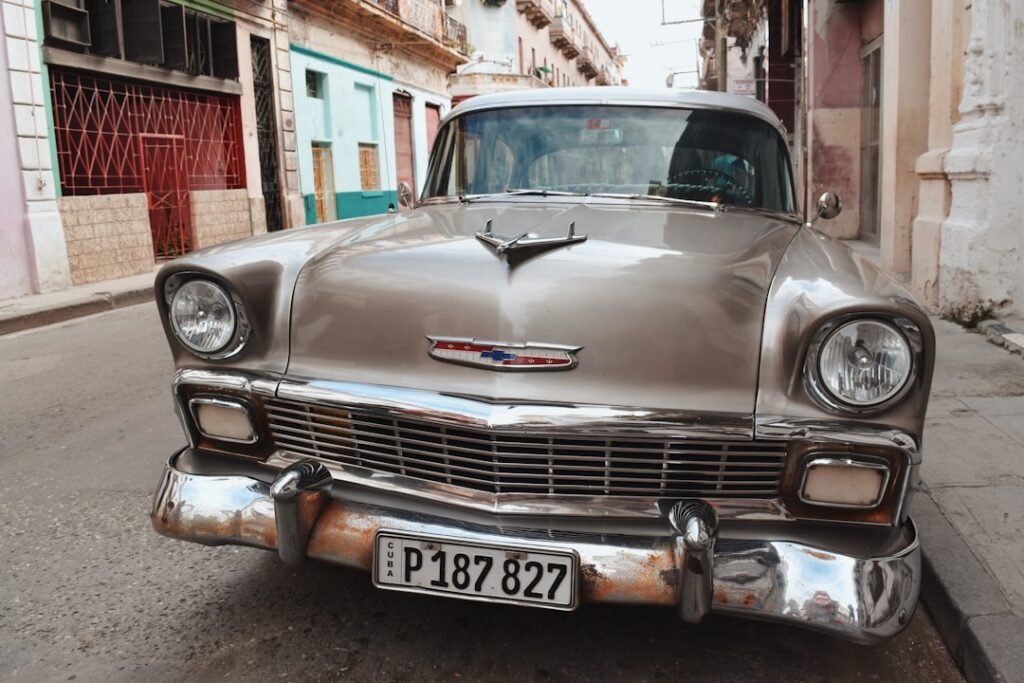
Step off the plane in Havana, and the first thing that hits you is the smell—a mix of salty sea air, unburned gasoline, and cheap tobacco. Then comes the sound. It's the unmistakable rattle of a 1950s engine idling nearby, soundtracked by a faint trumpet note from a second-story window.
Cuba doesn't do subtle.
It is a wild, beautiful, sometimes exhausting place where pastel facades crumble onto dusty sidewalks and shiny classic cars dodge potholes. Because modern commercialism never really took root here, the island feels remarkably raw. Personally, I fell in love with it the second I tasted a real, unpretentious, mint-heavy mojito in a dusty alleyway. If you are looking for gorgeous coastlines, revolutionary history, or nights spent dancing salsa until your shoes wear out, you will find a dizzying list of things to do in cuba.
Let's get into the actual, practical reality of exploring this Caribbean time capsule.
—
1. Wander the Enchanting Streets of Old Havana (Habana Vieja)
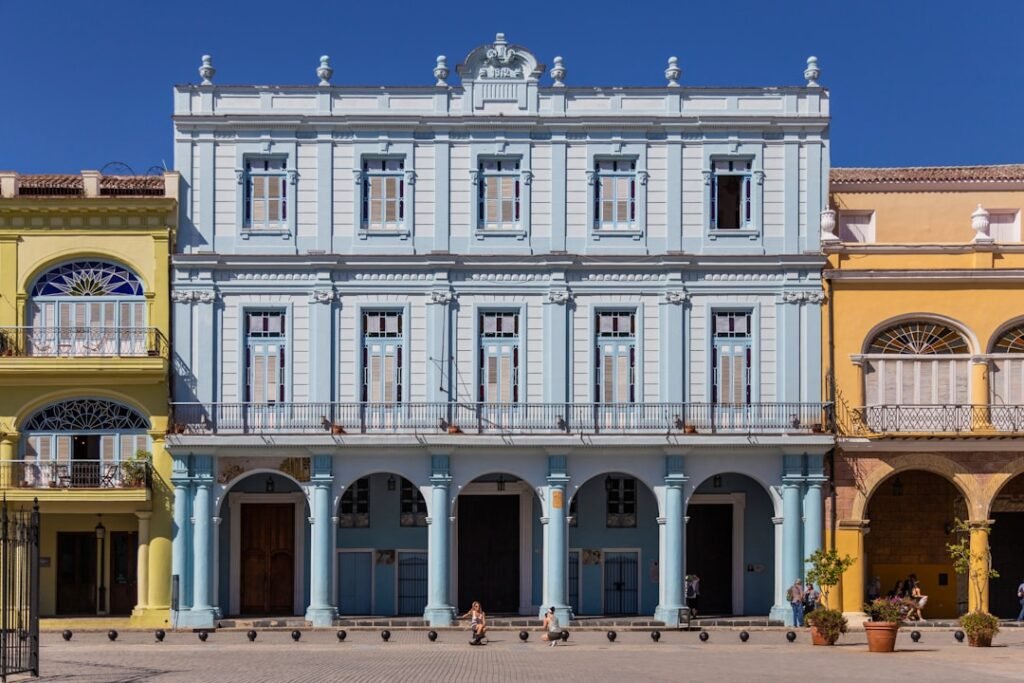
Look, you can't visit Cuba without getting completely, utterly lost in Habana Vieja. It is the historic heart of the city, and honestly, the best way to see it is to put your map away and just walk. The streets are a chaotic sensory overload. Kids play stickball in the alleys, laundry hangs between wrought-iron balconies, and old men play dominoes on plastic tables right on the sidewalk.
You'll naturally stumble into the big four squares: Plaza de Armas, Plaza de la Catedral, Plaza Vieja, and Plaza de San Francisco de Asís. They all have their own quirks. Plaza Vieja is great for grabbing a cold drink, while Plaza de Armas usually has vendors selling dusty vintage books and old Soviet medals.
If you've ever explored the bustling streets of Chinatown in other global cities, Havana’s own "El Barrio Chino" nearby is a trip—it's got the gateway arch but almost no Chinese population left, a weird and fascinating ghost of history.
Before you leave the old town, grab a daiquiri at El Floridita. Yes, it’s touristy, and yes, there is a bronze statue of Ernest Hemingway leaning against the bar, but the drinks are seriously good. For a mojito, wander over to La Bodeguita del Medio and scribble your name on the graffiti-covered walls.
- Practical Tip: Leave the fancy shoes in your suitcase. The cobblestones here are brutal and uneven. Put on some broken-in sneakers, hit the pavement by 8:00 AM, and beat the crushing midday heat.
—
2. Cruise the Malecón in a Neon Classic Car
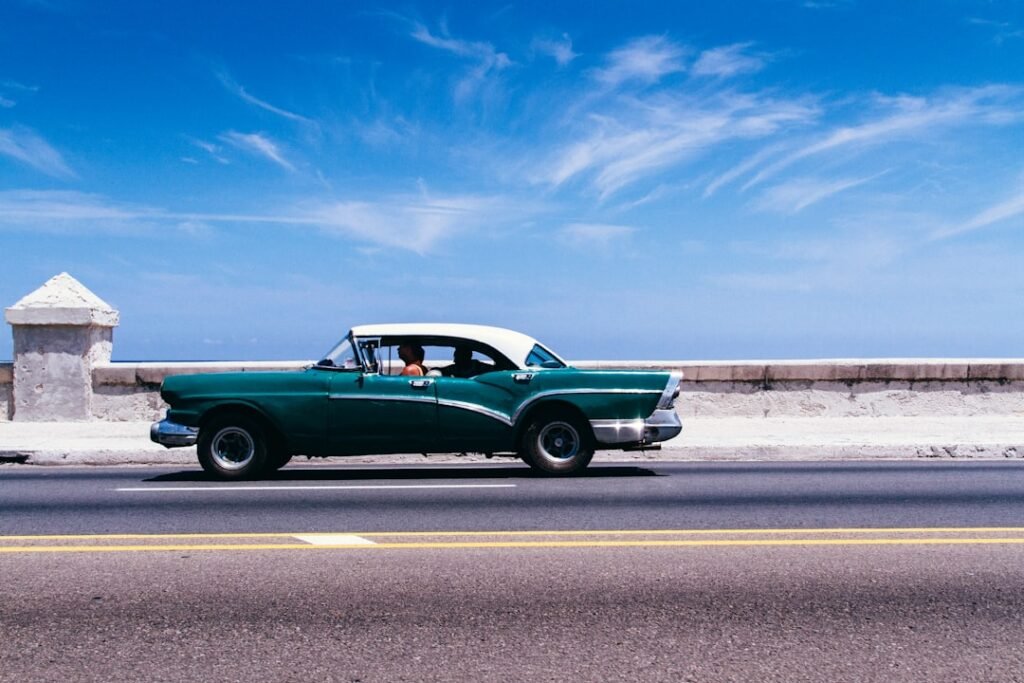
It feels like a cliché until you're actually doing it. Sliding onto the massive vinyl seat of a 1957 pink Chevy Bel Air with the top down is pure, unadulterated fun.
Locals call these old beauties *almendrones* (big almonds), and they are held together by sheer Cuban willpower, spare parts from old Soviet tractors, and household glue. Rent one with a driver and head straight for the Malecón. This is Havana's five-mile concrete seawall. It’s where the city comes to breathe. At sunset, the waves crash over the stone, spraying the road, while musicians, couples, and fishermen hang out on the ledge. You'll cruise past the majestic Hotel Nacional de Cuba and the brightly painted, salty apartments of Centro Habana. It is loud, windy, and absolutely brilliant.
- Practical Tip: Don't book this online beforehand. You'll get ripped off. Just walk down to the park near the Gran Teatro de La Habana or Plaza de la Revolución. You'll see dozens of pristine convertibles lined up. Talk to the drivers, pick your favorite color, and negotiate the price. A one-hour cruise should run you about $30 to $50 USD.
—
3. Ride Horses through the Lush Viñales Valley
When you need a break from Havana’s noise, head west. About two and a half hours away lies the Viñales Valley, and the scenery here is almost surreal. Imagine flat, rust-red fields punctuated by massive, steep limestone cliffs called *mogotes* that rise straight out of the ground. It looks like a scene from a prehistoric movie.
This is the agricultural heartland where the world’s best tobacco is grown. The absolute best way to take it all in is on horseback. You'll trot along dirt trails, through banana groves, and straight up to a local *veguero* (tobacco farmer) homestead. They will show you how they harvest the leaves, dry them in giant wooden barns, and roll a perfect cigar. They might even offer you one to smoke, complete with a tip dipped in local honey. It’s sweet, earthy, and incredibly smooth.
- Practical Tip: Don’t book a massive tour package from Havana. Instead, stay in a local *casa particular* (guesthouse) in Viñales and let your host organize the horse ride. It’s cheaper, supports the family directly, and you'll get a far more personal experience.
—
4. Step Back in Time in Trinidad
If Havana is high-energy, Trinidad is a slow, sun-drenched dream. Founded back in 1514, this town feels like a living museum. We're talking cobblestone streets, low-slung houses painted in bright yellows and terracotta, and old men riding horses right past colonial mansions.
Spend an hour climbing up the narrow stairs of the yellow bell tower at the Museo Nacional de la Lucha Contra Bandidos. The view from the top—red tile roofs stretching out toward the green Escambray Mountains—is worth every single sweaty step.
Once night falls, everyone heads to the stone steps next to the main church at Plaza Mayor. This is the Casa de la Música. It’s an open-air party where locals and travelers sit on the stairs, drink remarkably cheap rum, and watch live salsa bands. The music is infectious, and before you know it, you'll be pulled onto the dance floor.
- Practical Tip: The midday heat in Trinidad can be oppressive. Do your walking early, then escape. Grab a quick taxi to Playa Ancón—it's a gorgeous stretch of white sand only 15 minutes away. If you've enjoyed quiet coastal spots like Colonial Beach Virginia's historic shores, you'll find a similar relaxed, unpretentious beach vibe here.
—
5. Soak Up the Sun on the Powdery Sands of Varadero
If you want postcard-perfect Caribbean water, Varadero is where you go. Picture a 20-kilometer stretch of sand so soft it feels like flour, bordering water that is a ridiculous shade of electric blue. It's almost absurdly beautiful.
Most people think Varadero is only for people staying at mega-resorts. That’s a myth. The entire beach is public. You can roll out your towel anywhere. For budget travelers who love finding free things to do in Branson or other affordable destinations, just lounging on this world-class beach costs absolutely nothing. You can swim in water that feels like a warm bath, read under a palm tree, or rent a kayak from a local vendor for a few bucks.
- Practical Tip: Skip the isolated all-inclusive resorts at the far end of the peninsula. Instead, rent a room in a *casa particular* in the actual town of Varadero (between Calle 1 and Calle 64). You'll be steps from the sand, pay a fraction of the price, and get to eat at local, family-run spots instead of bland resort buffets.
—
6. Hike to the Emerald Pools of El Nicho Waterfalls
Deep in the Escambray Mountains, right between Cienfuegos and Trinidad, you'll find El Nicho. It is an absolute paradise of rushing waterfalls, lush green ferns, and natural rock pools.
The trail up is short and well-kept. You'll cross wooden footbridges and climb past dense jungle foliage before reaching the real prize: the natural swimming holes. The water is cold—shockingly so, compared to the humid heat outside—but jumping into that crystal-clear, emerald-green water is incredibly refreshing.
- Practical Tip: Do yourself a favor and pack water shoes. The rocks inside the pools are incredibly slippery and sharp. Also, try to get there by 9:00 AM. By 11:00 AM, the tour buses arrive, and the peaceful mountain pools turn into a crowded water park.
—
7. Immerse Yourself in Afro-Cuban Culture in Santiago de Cuba
Way over on the eastern end of the island sits Santiago de Cuba. It’s a completely different beast than Havana. Known as the cradle of the Cuban Revolution, Santiago is physically closer to Haiti and Jamaica than to western Cuba, and you can feel that Caribbean influence everywhere—especially in the music, the food, and the local Santería religious practices.
Start your day at Castillo de San Pedro de la Roca, a massive 17th-century stone fortress built on a cliff to keep pirates out of the bay. The views here are dramatic.
But Santiago really comes alive after dark. This city is the birthplace of *son* music (the root of modern salsa). Skip the fancy clubs and head straight to the legendary Casa de la Trova. It’s a hot, crowded, high-energy venue where some of the best musicians on the island play live.
- Practical Tip: Santiago is notoriously hot and sticky. Take a cue from the locals: slow down, drink plenty of water, and plan a long afternoon nap during the peak heat of the day.
—
Where to Eat: A Culinary Journey Through Cuba
For a long time, travelers complained that Cuban food was bland and repetitive. Honestly, that used to be true when state-run restaurants dominated the scene. But things have changed. Today, privately owned, family-run restaurants called *paladares* are serving up incredible, flavorful meals. Here is what you need to track down:
- Ropa Vieja: Cuba’s national comfort food. It’s shredded beef slow-cooked in a rich, savory sauce of tomatoes, onions, garlic, and bell peppers. For an unforgettable meal, splurge on a dinner at La Guarida in Havana. It’s located in a stunningly beautiful, crumbling old mansion and serves a gorgeous, modern take on the dish.
- Moros y Cristianos: This is the classic side dish of black beans and white rice cooked together with cumin, oregano, and bay leaves. It’s simple, savory, and perfect when paired with Lechón Asado (tender, slow-roasted pork marinated in garlic and sour orange).
- Fresh Lobster (Langosta): Here’s a secret: lobster is incredibly cheap in Cuba compared to most places. You can get a massive, garlic-butter grilled lobster tail at most *paladares* for a fraction of what you’d pay back home. Paladar San Cristobal in Havana does a fantastic version—and yes, this is the spot where Barack Obama ate during his visit.
—
Practical Travel Tips for Your Cuban Adventure
When is the best time to visit Cuba?
Go during the dry season, from November to April. The weather is beautiful, sunny, and much less humid. Try to avoid August and September if you can—it’s the peak of hurricane season, and the heat can be brutal.
How do I get around?
- Viazul Bus: This is the main tourist bus line. It’s cheap, air-conditioned, and reliable. Just make sure to book your tickets online a few weeks before your trip.
- Colectivos: These are shared taxis (often vintage cars or vans) that run between major cities. Your guesthouse host can easily book one for you. They cost a bit more than the bus, but they pick you up at your door and save you hours of travel time.
- Private Drivers: If you have the budget, hiring a private driver for a few days gives you total freedom to stop at roadside fruit stands and hidden beaches.
What's the deal with money in Cuba?
This is the trickiest part of planning a trip here. The old tourist currency (CUC) is gone, and the official currency is the Cuban Peso (CUP).
Because of inflation, locals highly prefer foreign cash, specifically Euros (EUR) and US Dollars (USD). Do not plan on using credit cards. Because of the US embargo, American debit and credit cards simply do not work. You must bring enough physical cash to cover your entire trip. Exchange some of your cash for CUP with your trusted guesthouse host to pay for street food, local taxis, and cheap meals.
—
Pack Your Bags and Feel the Rhythm!
Cuba isn’t a place you just check off a list; it’s a place you feel. It forces you to disconnect from your phone (internet is still spotty and slow, which honestly feels like a relief after a few days) and actually look around. You'll remember the sound of the music spilling into the streets, the warm sea breeze, and the genuine warmth of the people long after you leave.
If you've been planning a trip, stop waiting. Go experience it for yourself.
Have you been to Cuba, or is it still sitting at the top of your travel bucket list? Let me know your thoughts or share your favorite memories in the comments below!