You can stand with one foot in the northern hemisphere and the other in the southern, hike up a massive glacier-clad volcano before lunch, and fall asleep to the screech of howler monkeys that night. Ecuador is tiny compared to its giant South American neighbors, but it doesn't care. It crams four wildly different worlds—the high Andes, the wild Pacific coast, the dense Amazon, and the legendary Galapagos—into a country about the size of Colorado.
Whether you’re planning a rugged two-week backpacking trip or a comfortable getaway, here is a handpicked guide to the absolute best things to see and do in ecuador. Pack light, grab some cash, and let's get into it.
—
1. Get Lost in the Colonial Charm of Quito's Old Town
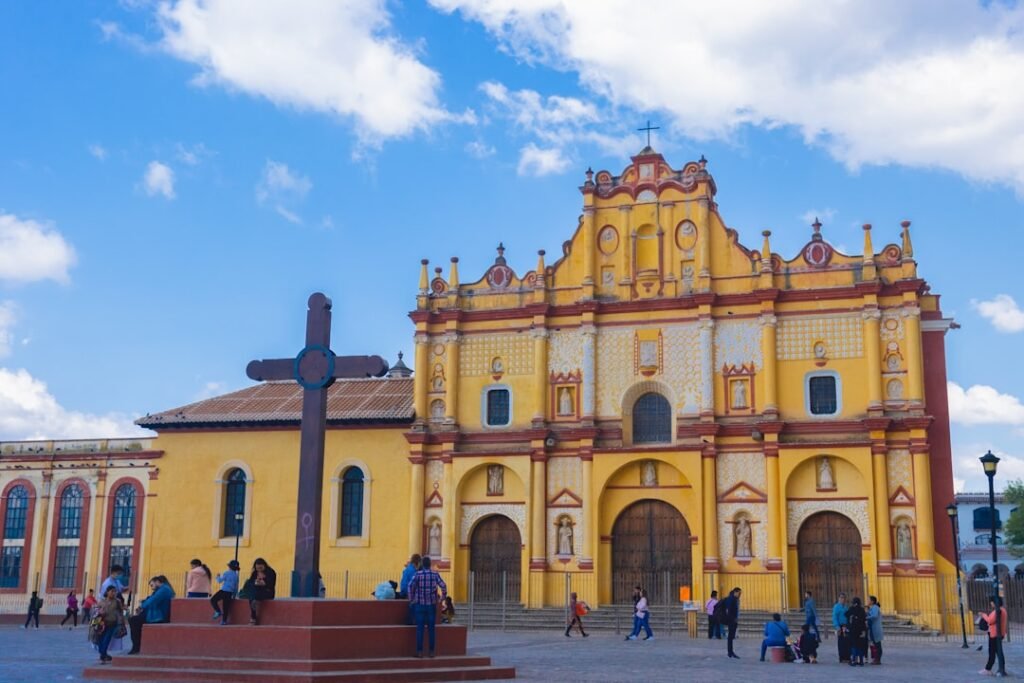
Sitting at 2,850 meters up in the thin mountain air, Quito will literally take your breath away. It's a chaotic, beautiful sprawl. The historic core is a UNESCO treasure, and honestly, it's one of the best-preserved colonial districts in South America.
Wandering around here feels like walking through a living museum, minus the stuffiness. Start your morning over at Plaza de la Independencia (Plaza Grande). You'll see older locals arguing politics on benches under giant palms. Next, head over to the spectacular Compañía de Jesús. The entire interior is coated in shimmering gold leaf. It's blindingly beautiful. If you have the knees for it, climb the steep, narrow ladders of the Gothic Basílica del Voto Nacional. The view of the city spilling over the valley is unreal, but maybe skip it if you get dizzy easily.
- Why it’s worth doing: It's the perfect culture shock. You get beautiful Spanish colonial architecture right next to active volcanic peaks.
- Practical Tip: Don't underestimate the altitude. Take it easy on day one, drink double the water you think you need, and try a cup of hot *mate de coca* (coca tea) to ease the headache.
—
2. Stand Face-to-Face with Prehistoric Wildlife in the Galapagos Islands
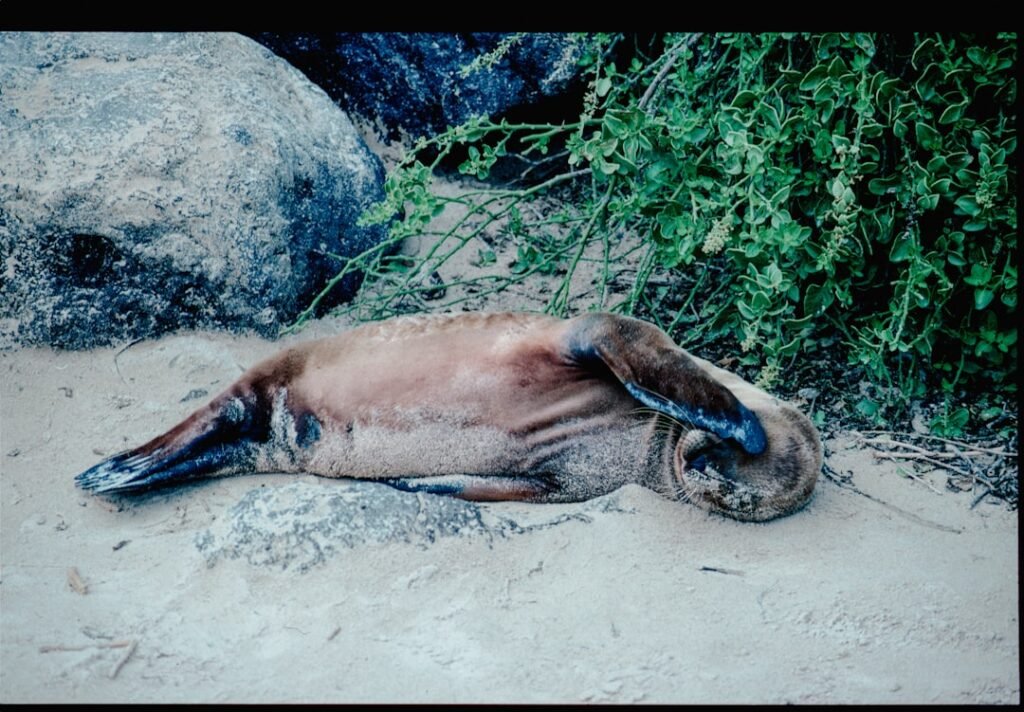
Let's be real: no list of things to see and do in ecuador would be complete without talking about the Galapagos Islands. This volcanic outpost sits about 1,000 kilometers out in the Pacific, and it feels like another planet entirely.
The wild part? The animals here don't care that you're there. Since they evolved without human predators, they won't run away. You can snorkel right next to young, playful sea lions, watch marine iguanas spit salt on black lava rocks, and stand a few feet from blue-footed boobies doing their quirky, slow-motion mating dance.
- Why it’s worth doing: It’s one of the last places on earth where wildlife still rules, and humans are just quiet visitors.
- Practical Tip: Don't buy into the myth that you can only do this on an expensive luxury cruise. I actually saved a ton of cash by staying in a local guesthouse in Puerto Ayora on Santa Cruz Island and booking day trips to nearby islands. It's totally doable on a budget.
—
3. Chase Waterfalls and Adrenaline in Baños de Agua Santa
If you're a bit of an adrenaline junkie, Baños de Agua Santa (everyone just calls it Baños) is going to be your favorite stop. This little town is wedged into a green valley right at the foot of the highly active Tungurahua Volcano.
The absolute best thing to do is rent a mountain bike and ride down the Ruta de las Cascadas (Waterfall Route). It's mostly downhill, thankfully. The ultimate payoff is the roaring Pailón del Diablo (Devil’s Cauldron). You can walk down slippery stone steps carved right into the cliffside to stand directly behind the thundering wall of water. Later on, grab a taxi up to the Casa del Árbol to ride the famous "Swing at the End of the World." It's terrifying, thrilling, and looks amazing on camera.
- Why it’s worth doing: It's cheap, fast-paced, and has the perfect mix of high-adrenaline adventures and hot thermal springs to soak your sore muscles in afterward.
- Practical Tip: Buy a cheap plastic poncho before you head down to the Pailón del Diablo. You are going to get absolutely drenched by the spray.
—
4. Trek the Majestic Slopes of Cotopaxi Volcano
Cotopaxi is a beast. Standing at 5,897 meters, it’s one of the tallest active volcanoes on the globe, and its perfect, snow-capped cone dominates the skyline on a clear day.
If you're not an elite climber, don't worry. You can still experience it. Take a day trip into the national park, walk around the chilly Limpiopungo Lagoon to spot wild horses, and then hike up from the high-altitude parking lot to the José Rivas Refuge at 4,860 meters. It's a short but incredibly steep and dusty slog that will have your lungs screaming. If you are into serious mountaineering—similar to the rugged peaks you'd tackle when exploring scenic trails in Red Lodge—you can hire a certified local guide and try to summit the glacier at night.
- Why it’s worth doing: Standing on the barren, wind-swept paramo while looking up at a massive, active ice-capped volcano is incredibly humbling.
- Practical Tip: The mountain weather is completely unpredictable. Pack gloves, a warm hat, and windproof gear, even if it was warm and sunny when you left your hotel.
—
5. Hunt for Treasures at the Otavalo Indigenous Market
For a change of pace, take a drive north of the capital to the mountain town of Otavalo. Here, you’ll run into the Plaza de Ponchos, which is easily the largest and most famous outdoor market in South America.
The local Otavaleño people are world-renowned weavers. Walking through the market is a wild rush of color: stacks of thick alpaca blankets, bright ponchos, hand-embroidered shirts, and silver jewelry. The air smells like roasted pork and fried plantains.
- Why it’s worth doing: It’s easily the best spot in the country to pick up genuine, hand-crafted souvenirs and chat with the artisans who made them.
- Practical Tip: While some vendors are there daily, Saturday is the big day when the market takes over almost the entire town. Get there early, around 8:00 AM, before the massive tourist buses roll in from Quito.
—
6. Go Wild in the Ecuadorian Amazon (Cuyabeno or Yasuní)
A lot of people forget that Ecuador holds some of the most untouched, biodiverse corners of the Amazon basin. Head east over the Andes, and you drop straight into a thick, steamy world of giant trees and muddy rivers.
You'll want to head toward Cuyabeno Wildlife Reserve or Yasuní National Park. Staying at a rustic eco-lodge here is a trip. You'll take motorized canoes down narrow blackwater creeks, spot pink river dolphins, go on squelchy night hikes to find giant spiders, and wake up to the prehistoric roar of howler monkeys right outside your window.
- Why it’s worth doing: It is an incredible way to completely unplug from the internet and learn how indigenous communities have lived in harmony with the jungle for thousands of years.
- Practical Tip: Invest in high-quality bug spray and pack lightweight, long-sleeve shirts. The bugs here mean business.
—
7. Ride the Waves and Catch the Vibe in Montañita and Ayampe
When you're tired of freezing in the high Andes, it’s time to head to the coast. Ecuador’s Pacific shoreline has a completely different, sun-baked energy.
If you want to party, surf decent waves, and drink cheap cocktails on the street, head to Montañita. It’s a loud, bohemian beach town where the music doesn't stop until the sun comes up. But if that sounds like your worst nightmare, just go 30 minutes north to Ayampe. It's a quiet, sleepy little surf village tucked between the ocean and the coastal jungle. It feels worlds away, offering quiet yoga decks, great vegetarian food, and empty beaches—a peaceful retreat that reminds me of relaxed coastal getaways in Wells, Maine.
- Why it’s worth doing: It lets you experience the warm, easygoing coastal culture that contrasts beautifully with the serious, chilly mountain towns.
- Practical Tip: The best surf and warmest weather happen between December and April, which is technically the rainy season, but usually just means quick afternoon showers.
—
Where to Eat: A Culinary Journey Through Ecuador
Food in Ecuador is a regional affair. The highlands love hearty soups and pork, while the coast is all about fresh seafood and plantains. Here are the plates you cannot miss:
- Locro de Papa: This is pure comfort. It’s a thick, velvety potato soup loaded with cheese and milk, served piping hot with fresh avocado slices. Try it at Hasta la Vuelta, Señor in Quito.
- Ecuadorian Ceviche: This isn't like Peruvian ceviche. It's served cold in a light, citrusy broth made of lime and tomato juices, packed with red onion and fresh shrimp. They serve it with popcorn (*canguil*) and plantain chips (*chifles*). Grab a bowl at a beachside shack in Puerto López.
- Hornado: Slow-roasted, whole pig with incredibly crispy skin and tender meat. It usually comes with *llapingachos* (pan-fried potato and cheese cakes) and a tangy onion salad. Go to the Mercado Central in Quito or Cuenca for the real deal.
- Ecuadorian Chocolate: Ecuador grows some of the best cacao on the planet. Booking a quick chocolate tasting at Pacari or República del Cacao in Quito is highly recommended. It’s a fascinating experience, much like doing a wine tasting when exploring things to do in Walla Walla.
—
Practical Travel Tips for Your Ecuadorian Adventure
What is the best time of year to visit Ecuador?
Since the country sits right on the equator, the temperature doesn't swing wildly throughout the year. Instead, your trip will be defined by dry and rainy seasons.
- The Highlands (Quito, Cotopaxi, Baños): Go between June and September for dry, clear hiking weather.
- The Coast & Galapagos: December to May is warm, sunny, and perfect for the beach, despite the occasional afternoon rain.
How do I get around?
- By Bus: Public buses are everywhere and cost next to nothing—usually about $1 to $2 per hour of travel. It's great for budget travelers who don't mind a bit of chaos.
- By Shuttle: If you want something easier and safer, look into Wanderbus. It's a hop-on, hop-off travel shuttle geared toward tourists.
- By Air: Flying between Quito, Guayaquil, and the Galapagos will save you days of travel time and is surprisingly affordable.
What currency does Ecuador use?
Ecuador uses the United States Dollar (USD).
- *My biggest tip:* Keep plenty of physical $1, $5, $10, and $20 bills. If you try to pay for a $3 taxi ride or a market souvenir with a $50 or $100 bill, they will laugh and walk away because nobody has change.
—
Final Thoughts: Ready to Explore Ecuador?
From the thin, icy air of the high Andes to the pristine, animal-filled waters of the Galapagos, Ecuador is a country that stays with you long after you fly home. It's rare to find a place that packs this much variety into such a small space. Whether you want to push your body to its physical limits climbing active volcanoes or just slow down on a foggy surf beach, you'll find exactly what you're looking for right here in the middle of the world.
Have you started packing yet? Drop a comment below if you're planning a trip or want to share your favorite spot—I'd love to hear your thoughts!